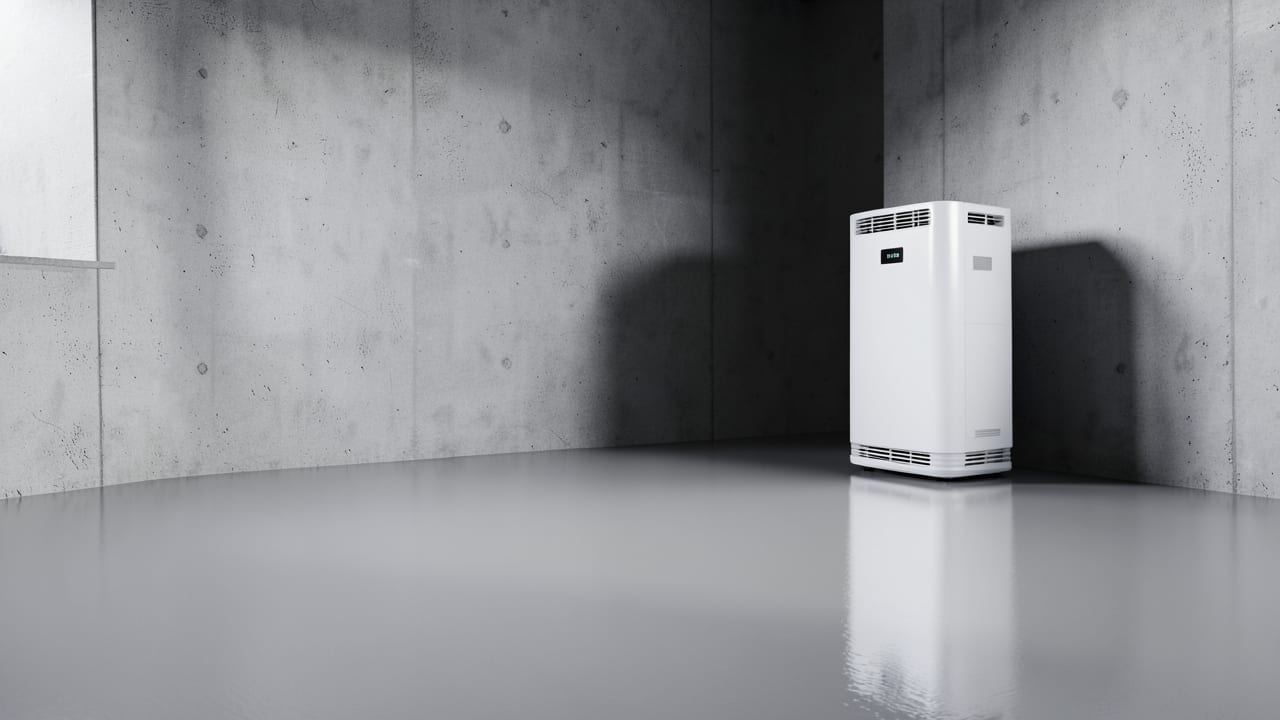
Post-Remediation Sealing
Applying protective sealants to surfaces after mold remediation to prevent future growth.
In Redington Beach, FL, post-remediation sealing is a critical step after mold removal to protect treated areas from future moisture and regrowth. Specialized sealants create a barrier on surfaces, helping to maintain the effectiveness of the remediation work and prevent recurrence in homes across Pinellas County and surrounding areas.
When is post-remediation sealing needed?
Post-remediation sealing is typically recommended after mold removal when porous materials like drywall or insulation have been replaced and non-porous surfaces—such as framing, tile, or concrete—have been cleaned and treated. This step helps ensure that the treated areas remain protected from moisture, which is the primary cause of mold regrowth.
We also handle Drywall Mold Remediation and Carpet Mold Treatment for Redington Beach properties.
Sealing is especially important in areas prone to dampness, such as bathrooms, basements, or crawl spaces. If mold has been removed but the moisture source hasn’t been fully addressed, sealing helps create a temporary barrier while long-term solutions—like fixing leaks or improving ventilation—are implemented.
Signs You May Need Post-Remediation Sealing
- Mold covers more than a small, isolated patch (typically over 25 contiguous square feet).
- Mold keeps returning in the same spot after cleaning, suggesting an unresolved moisture issue.
- You notice a musty smell with no visible mold, indicating hidden growth behind walls or under flooring.
- The affected area is in a persistently damp room, such as a closet, windowless bathroom, or basement corner.
What affects the cost and process?
The cost of post-remediation sealing varies depending on the size of the treated area, the type of sealant used, and the complexity of the surfaces being sealed. Basic vapor barriers are less expensive than full encapsulation, which may be needed for high-risk areas like basements or crawl spaces.
Timing is also a factor—sealing should happen immediately after remediation while surfaces are still dry and free of debris. Delaying sealing can compromise its effectiveness, especially in humid climates like Redington Beach.
Why clearance testing matters
After sealing, an independent clearance test confirms that spore counts in the treated area are back to normal levels. This step is essential because it verifies that the remediation was effective and that no hidden mold remains.
Without testing, there’s no way to know if the sealing was sufficient or if spores are still present.
Florida law requires that the same company cannot perform both the assessment and remediation on the same property within a 12-month period. This rule helps ensure unbiased testing and prevents conflicts of interest.
Skipping clearance testing leaves no confirmation that the remediation actually resolved the mold issue. Hidden spores can lead to regrowth, making sealing less effective over time.
How post-remediation sealing works
- 1Surface Preparation
After mold removal, surfaces are cleaned and dried to ensure they are free of debris and moisture. Porous materials like drywall are typically replaced, while non-porous surfaces are scrubbed and treated.
- 2Application of Sealant
A specialized sealant is applied to treated surfaces to create a barrier against moisture. This step helps prevent mold from regrowing on the sealed area.
- 3Drying and Inspection
Industrial dehumidifiers and air movers are used to ensure the area is fully dry before sealing. This step is critical to prevent moisture from trapping under the sealant.
- 4Clearance Testing
An independent lab conducts air or surface sampling to confirm spore levels are within normal ranges before the work is considered complete.
Frequently asked questions
How do I know if my home needs post-remediation sealing after mold removal?
You may need sealing if porous materials like drywall or insulation were removed and replaced, or if non-porous surfaces like tile or framing were treated but remain exposed to moisture. Sealing is also recommended if the affected area is in a persistently damp room or if mold keeps returning despite cleaning.
Can I seal the area myself after mold removal?
While some sealants are available for DIY use, professional sealing ensures proper application and coverage. Improper sealing can trap moisture or leave gaps, reducing its effectiveness and potentially leading to regrowth.
What should I do if mold keeps coming back after sealing?
Recurring mold often indicates an unresolved moisture issue, such as a leak, poor ventilation, or high humidity. Addressing the root cause—like fixing leaks or improving airflow—is essential before sealing again.
How long does post-remediation sealing last?
The lifespan of sealing depends on the quality of the sealant, surface condition, and moisture exposure. Regular inspections and maintenance—like checking for leaks or humidity levels—help extend its effectiveness.
Where Redington Beach sits, and what the Census lists nearby
Redington Beach sits in Florida, and the closest places listed in the U.S. Census Gazetteer are North Redington Beach (1 miles northwest), Madeira Beach (1.6 miles southeast), Redington Shores (2 miles northwest), Bay Pines (2.2 miles east).
Within 25 miles of Redington Beach the same source lists 48 distinct incorporated places and census-designated places.
Those figures matter for post-remediation sealing because they are straight-line distances between Census coordinate points: road mileage between Redington Beach and North Redington Beach runs longer than the 1 miles shown, which is why quotes for the same job differ between towns that look close together on a map.
Source: U.S. Census Bureau Gazetteer.
See Belleair Beach, FL for more, or check out our full Redington Beach-area coverage across the area for our complete lineup.
Ready to get started?
Talk to a local mold remediation pro in Redington Beach — get a written quote.
Other Mold Remediation Services in Redington Beach
Drywall Mold Remediation in Redington Beach, FL
Professional removal and treatment of mold growth behind or on drywall surfaces.
Learn More
Carpet Mold Treatment in Redington Beach, FL
Professional assessment and removal of mold growth from carpets to restore a safe indoor environment.
Learn More
Concrete Mold Remediation in Redington Beach, FL
Professional removal and treatment of mold from concrete surfaces in homes.
Learn More
Garage Mold Removal in Redington Beach, FL
Professional assessment and removal of mold growth in garages to restore a safe, clean space.
Learn More
Ceiling Mold Removal in Redington Beach, FL
Professional removal of mold growth from ceilings, including containment and cleanup.
Learn More
Window Sill Mold Cleanup in Redington Beach, FL
Professional cleanup of mold growth on window sills to restore a healthy indoor environment.
Learn MoreCommon Questions About Mold Remediation in Redington Beach
Everything you need to know about mold remediation services in Redington Beach
How much does Post-Remediation Sealing typically cost in Redington Beach, FL?
Why does Redington Beach, FL's humidity make mold a bigger risk than in drier regions?
Is it safe to stay in the home during mold remediation?
Can small mold problems be handled without hiring anyone?
What's the actual difference between mold removal and mold remediation?
Is a final clearance test part of a typical mold remediation job?
Need Mold Remediation in Redington Beach?
Connect with local providers in Redington Beach for a detailed quote.
⏰ We answer your call • Serving all of Redington Beach and surrounding areas